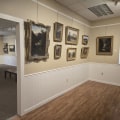
Belknap County, located in the picturesque state of New Hampshire, is known for its stunning natural beauty and rich cultural heritage. As an expert in the field, I have witnessed the growth and evolution of sculpture exhibits in Belknap County, New Hampshire over the years, particularly during the pioneer days when artistic expression began to flourish. These exhibits have a long and fascinating history, dating back to the early 20th century. over the years, particularly during the pioneer days when artistic expression began to flourish. These exhibits have a long and fascinating history, dating back to the early 20th century.
The Early Years
The first recorded sculpture exhibit in Belknap County took place in 1913 at the Laconia Public Library. The exhibit featured works by local artists as well as pieces from renowned sculptors from other parts of the country.This event was a huge success and sparked a renewed interest in sculpture among the residents of Belknap County. Over the next few decades, several small-scale sculpture exhibits were organized by local art societies and galleries. These exhibits showcased a diverse range of sculptures, from traditional figurative pieces to more abstract and experimental works.
The Rise of Public Art
In the 1960s, there was a growing trend towards incorporating public art into urban spaces. This movement also reached Belknap County, with several public sculptures being installed in parks, plazas, and other public areas. These sculptures not only added aesthetic value to the county but also served as a means of cultural expression and community engagement. One of the most iconic public sculptures in Belknap County is the Mill Girl, located in Rotary Park in Laconia.This bronze sculpture, created by renowned artist Ernest Montenegro, pays tribute to the women who worked in the textile mills of New England during the Industrial Revolution.
The Influence of the Lakes Region Art Association
In 1971, the Lakes Region Art Association (LRAA) was formed with the aim of promoting and supporting the arts in Belknap County. The LRAA played a crucial role in organizing and curating sculpture exhibits in the county. They also provided a platform for local sculptors to showcase their work and gain recognition. One of the most significant events organized by the LRAA was the Lakes Region Fine Arts Festival, which began in 1973. This annual festival featured a wide range of art forms, including sculpture, and attracted artists and art enthusiasts from all over New England.The Modern Era
In recent years, sculpture exhibits in Belknap County have become more diverse and dynamic. The annual Lakes Region Fine Arts Festival continues to be a major event, but there are also several other smaller exhibits and shows that take place throughout the year. The Belknap Mill Sculpture Garden, established in 2010, is a prime example of this evolution.This outdoor sculpture garden features works by local and regional artists and is open to the public year-round. It has become a popular spot for art lovers and tourists alike.
The Impact of Sculpture Exhibits on Belknap County
The presence of sculpture exhibits in Belknap County has had a significant impact on the community. These exhibits have not only provided a platform for artists to showcase their work but have also brought people together and fostered a sense of cultural pride. Moreover, these exhibits have also contributed to the economic growth of the county. The Lakes Region Fine Arts Festival, for instance, attracts thousands of visitors each year, generating revenue for local businesses and boosting tourism.The Future of Sculpture Exhibits in Belknap County
As we look towards the future, it is clear that sculpture exhibits will continue to play a vital role in the cultural landscape of Belknap County.With the support of organizations like the LRAA and the growing interest in public art, we can expect to see even more diverse and innovative exhibits in the years to come. So, whether you are a seasoned art enthusiast or simply looking to explore the rich history and culture of Belknap County, be sure to check out the sculpture exhibits in Belknap County, New Hampshire. You will not be disappointed!.